If you want people to buy from you, they first need to trust you. In the past, trust was built over a physical store counter. Today, that trust is built on smartphone screens.
Whether you run a tech startup in Bengaluru or a fashion boutique in Mumbai, your online presence dictates your business success. This is where digital branding steps in. It is no longer just a luxury for large corporations; it is a basic survival tool for every business.
In this comprehensive guide, we will break down exactly what digital branding means, how it differs from traditional marketing, and the exact steps you need to take to build a brand that people love and trust.
What is Digital Branding?
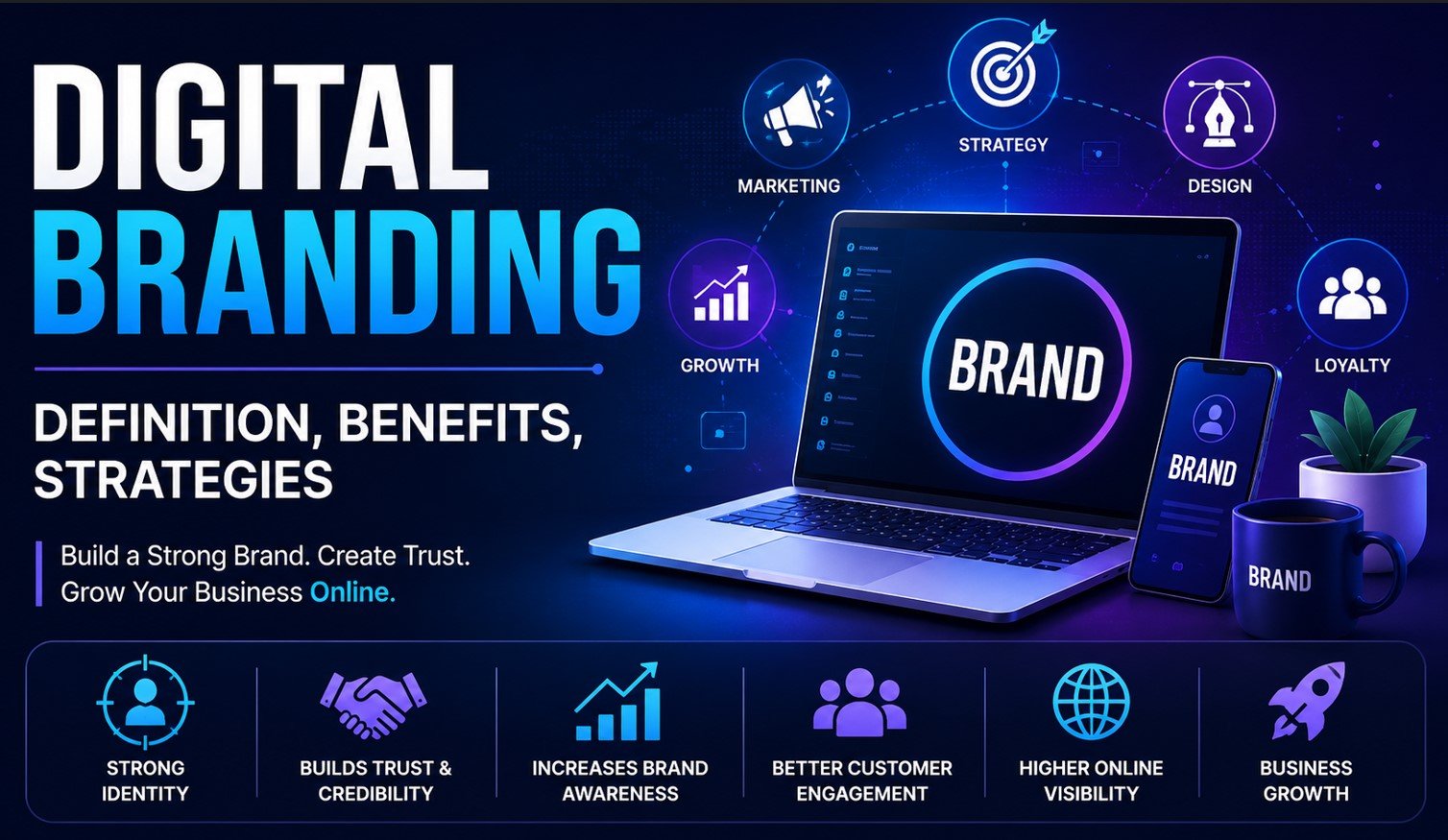
Digital branding is the process of designing and building your brand’s identity online. It involves how you communicate your brand’s values, personality, and purpose through digital channels like your website, social media, apps, and search engines.
To win a Featured Snippet on Google, remember this simple definition:
Digital branding is the combination of digital marketing and internet branding used to develop a brand online. It focuses on creating a digital presence that builds a long-term connection with your target audience, rather than just driving a one-time sale.
Unlike traditional advertising, which interrupts a user (like a TV commercial), digital branding naturally fits into the user’s online experience. It is about creating value, offering solutions, and showing up consistently so that when a customer is ready to buy, your name is the first one they remember.
Digital Branding vs. Digital Marketing
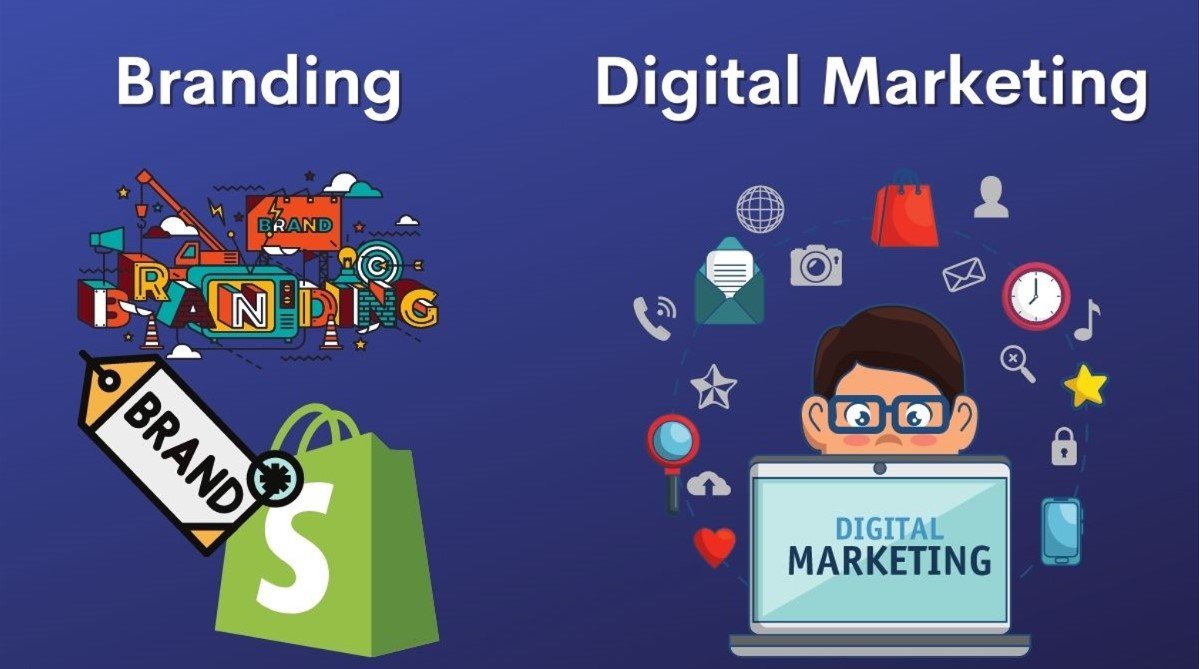
People often use these two terms interchangeably, but they serve completely different purposes.
Digital marketing is about pushing a specific product to generate quick sales. Digital branding is about pulling people in by highlighting your core values and building lifelong loyalty.
Here is a simple breakdown of the key differences:
| Feature | Digital Branding | Digital Marketing |
| Primary Goal | Build trust, loyalty, and recognition. | Drive sales, leads, and conversions. |
| Timeframe | Long-term (months to years). | Short-term (days to weeks). |
| Key Metrics | Brand awareness, social engagement, sentiment. | Click-through rates (CTR), ROI, cost per lead. |
| Customer Focus | “Who are we, and why should you care?” | “What are we selling, and why should you buy it now?” |
| Tactics Used | Logo design, brand voice, user experience (UX). | Pay-Per-Click (PPC), sales funnels, promotional emails. |
You cannot have a successful digital marketing campaign if you do not have a strong digital brand. Marketing gets people to your website; branding gives them a reason to stay.
Why Digital Branding is Crucial for Indian Businesses

India has over 800 million active internet users. The digital landscape has shifted rapidly, moving from tier-1 metros deep into tier-2 and tier-3 cities.
Because of this massive digital shift, the way Indian consumers shop has changed forever. Here is why you must invest in your online brand identity today:
-
The Shift in Consumer Trust:
Previously, Indians trusted local vendors they knew personally. Today, they rely on online reviews, social media presence, and professional website design to verify if a business is legitimate.
-
Hyper-Competition:
From local food delivery to SaaS products, every market is crowded. A strong brand is the only way to stand out when your competitors are just one click away.
-
Mobile-First Audience:
The vast majority of internet users in India access the web via smartphones. Your brand must translate perfectly to a small screen, meaning your mobile user experience (UX) is your brand.
-
Community Building:
Indian consumers love to engage. Brands like Zomato and Swiggy have won the market not just through discounts, but through highly relatable, locally relevant digital branding on platforms like Instagram and Twitter.
Core Components of a Strong Digital Brand
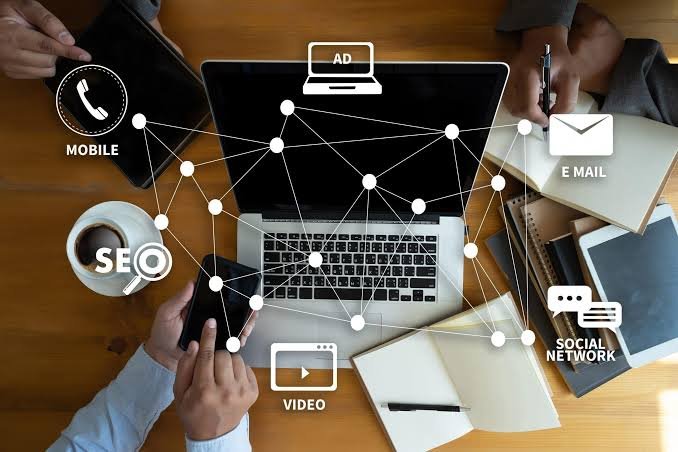
Building a brand online requires more than just a nice logo. It is an ecosystem made up of several moving parts. Every single component must work together to create a unified experience.
1. Brand Identity (Visuals)
Your visual identity is the face of your business. It includes your logo, color palette, typography, and image style. Whenever a user sees your content on Instagram or lands on your homepage, they should immediately recognize that it belongs to you. Consistency is the secret to visual branding.
2. Brand Voice and Messaging
If your brand were a person, how would it speak?
Your brand voice could be professional and authoritative (like a bank), or witty and casual (like a fast-food chain). Your messaging must remain consistent across your website copy, email newsletters, and customer support chats.
3. User Experience (UX) and Website Design
Your website is your digital storefront. If a physical store is dirty and unorganized, customers walk out. The same rule applies online. Fast loading speeds, intuitive navigation, and mobile responsiveness are critical. Good UX proves that you respect your customer’s time.
4. Social Media Presence
Social media is where your brand comes to life. It is the best place to interact directly with your target audience. You do not need to be on every platform. Choose the channels where your audience actually spends their time. For B2B companies, LinkedIn is essential. For fashion or food brands, Instagram and Pinterest are better choices.
5. Content Marketing Strategy
Content is how you prove your expertise. By publishing helpful blog posts, engaging videos, or informative podcasts, you show your audience that you understand their problems. High-quality content builds brand equity faster than almost any other digital asset.
Step-by-Step Guide to Building Your Digital Brand
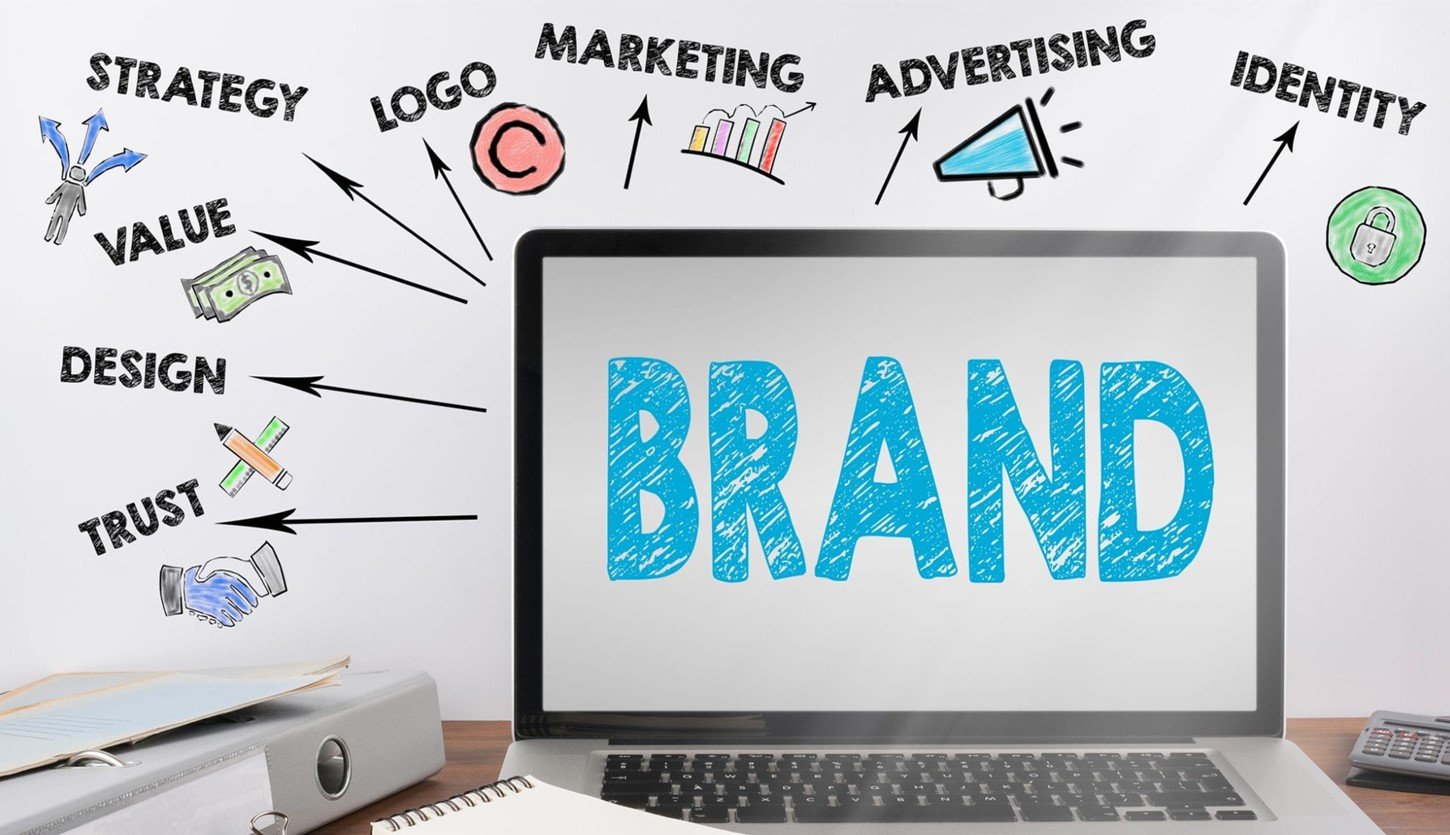
Are you ready to create an online identity that commands attention? Follow these five actionable steps.
Step 1: Define Your Target Audience
You cannot appeal to everyone. If you try, you will end up appealing to no one. Start by building detailed buyer personas.
Ask yourself:
- How old are they?
- Where do they live?
- What are their daily frustrations?
- Which social media platforms do they use?
The more specific you are, the easier it will be to tailor your messaging.
Step 2: Establish Your Unique Value Proposition (UVP)
Why should a customer choose you over a competitor? Your UVP is a clear statement that explains how your product solves a problem, delivers specific benefits, and tells the ideal customer why they should buy from you. Place your UVP front and center on your website’s homepage.
Step 3: Create Strict Visual Guidelines
Once you have your logo and brand colors, lock them down. Create a brand style guide. This is a document that tells your employees, freelancers, and agencies exactly how to use your fonts, colors, and logos. This ensures your brand looks the exact same whether it is on a billboard in Delhi or a Facebook ad on a smartphone.
Step 4: Build a High-Performing Website
Do not rely solely on social media pages. You do not own your Instagram or LinkedIn followers; the platforms do. Your website is the only piece of digital real estate you fully control. Ensure it is fast, secure (HTTPS), and optimized for mobile devices. Use clear call-to-action (CTA) buttons to guide users on what to do next.
Step 5: Leverage SEO and Content
Search Engine Optimization (SEO) is a massive part of digital branding. When someone searches for a problem related to your industry, your brand needs to appear on the first page of Google. Write in-depth, helpful articles that answer common questions. Use semantic SEO by including natural variations of your keywords and answering user intent directly.
5 Common Digital Branding Mistakes to Avoid
Even experienced marketers make mistakes when building an online brand. Avoid these common traps to save time and money.
- Inconsistency: Using different logos, colors, or tones of voice across different platforms confuses your audience and destroys trust.
- Ignoring Customer Feedback: Digital branding is a two-way street. If customers leave negative reviews or comments, ignoring them damages your reputation. Respond professionally and fix the underlying issues.
- Failing to Adapt to Mobile: Over 80% of digital traffic in India is mobile. If your website is difficult to read on a smartphone, you are losing the vast majority of your potential audience.
- Copying Competitors: It is fine to look at competitors for inspiration, but copying their brand voice or visual style makes you a cheap imitation. You must find your own unique angle.
- Expecting Overnight Results: Branding is a marathon, not a sprint. Do not panic if your new brand identity does not double your sales in the first month.
Pros and Cons of Digital Branding
Before you invest heavily in rebuilding your online presence, it is important to understand both sides of the coin.
Pros
- Builds Long-Term Trust: A strong brand lowers the friction of selling. People buy from brands they recognize.
- Premium Pricing: Well-branded companies can charge more for their products because customers perceive them as higher quality (e.g., Apple).
- Customer Loyalty: Good branding creates emotional connections. Loyal customers will stick with you even if a competitor offers a cheaper alternative.
- Easier Marketing: When people already know who you are, your digital marketing campaigns (like Facebook Ads) convert at a much higher rate.
Cons
- Requires Time and Patience: You will not see an immediate Return on Investment (ROI). It takes months of consistent effort to build brand awareness.
- High Initial Costs: Hiring professional web designers, copywriters, and logo designers can be expensive for small businesses.
- Vulnerability to Public Opinion: In the digital age, a single bad viral moment can severely damage a brand’s reputation overnight.
How to Measure Your Digital Brand’s Success

Because branding is a long-term play, it can be difficult to track. You cannot just look at daily sales. Instead, you need to track specific brand metrics.
- Branded Search Volume: Use Google Search Console to see how many people are typing your exact company name into Google. If this number goes up over time, your branding is working.
- Social Media Engagement: Do not just look at follower count. Look at comments, shares, and saves. High engagement means your audience actually cares about your brand voice.
- Direct Website Traffic: Use Google Analytics to monitor “Direct Traffic.” This represents people who typed your URL directly into their browser because they already knew your brand.
- Brand Sentiment: Use social listening tools to track what people are saying about you online. Are the mentions generally positive, negative, or neutral?
Future Trends in Digital Branding
The digital landscape is always evolving. To stay ahead of the curve, keep an eye on these emerging trends.
- Hyper-Personalization: Generic mass emails no longer work. Brands are using AI to deliver highly personalized website experiences and product recommendations based on individual user behavior.
- Short-Form Video: Platforms like YouTube Shorts and Instagram Reels dominate consumer attention. Brands that can communicate their identity in 30-second, high-energy videos will win.
- Authenticity Over Polish: Consumers, especially Gen Z, are tired of heavily edited, perfect corporate content. They prefer behind-the-scenes, raw, and authentic content that shows the human side of a business.
- Voice Search Optimization: As more people use smart speakers (like Alexa) and voice assistants, brands need to optimize their content to answer conversational voice queries.
Frequently Asked Questions (FAQs)
1. What is the main purpose of digital branding?
The primary purpose is to establish a strong, recognizable, and trustworthy online presence. It ensures that when consumers think of a specific product or service, your brand is the first one that comes to mind.
2. How much does it cost to build a digital brand in India?
Costs vary wildly. A small local business might spend ₹20,000 to ₹50,000 on a basic logo and website. A mid-sized enterprise might spend ₹5,00,000+ for comprehensive brand strategy, UX design, and professional content creation.
3. How long does it take to see results from digital branding?
Unlike paid ads, which offer instant traffic, digital branding takes time. You should expect to invest 6 to 12 months of consistent effort before you see a significant increase in brand recognition and organic loyalty.
4. Which social media platform is best for digital branding?
There is no single “best” platform. It entirely depends on your audience. B2B software companies thrive on LinkedIn and Twitter. Fashion, food, and lifestyle brands do much better on Instagram and Pinterest.
5. Can I do digital branding myself, or do I need an agency?
If you have a tight budget, you can start yourself using tools like Canva (for design) and WordPress (for your website). However, as you scale, hiring an expert agency ensures professional quality, consistency, and a better user experience.
6. What is a brand voice, and why is it important?
Brand voice is the distinct personality your brand takes on in its communications. It is important because it humanizes your business. People connect with personalities, not faceless corporations.
7. Does SEO help with digital branding?
Absolutely. Appearing at the top of Google search results for important industry keywords instantly builds authority and trust. If Google trusts you enough to rank you first, consumers will trust you too.
8. How is a digital brand different from a traditional brand?
Traditional branding focuses on print media, billboards, TV, and physical store aesthetics. Digital branding focuses on websites, mobile apps, social media interactions, and digital content delivery.
9. What role does content marketing play in branding?
Content marketing is the engine of digital branding. By creating valuable blogs, videos, or infographics, you prove your industry expertise. It shifts your brand from being just a “seller” to becoming a trusted “advisor.”
10. How do I fix a damaged digital brand?
First, acknowledge the mistakes publicly and transparently. Second, address any customer service issues immediately. Finally, consistently publish high-quality, positive content and gather positive reviews to slowly push down negative search results and rebuild trust.
Conclusion
Digital branding is no longer optional. In today’s digital-first world, your online identity is often the only identity your customers will ever see.
Building a powerful brand takes time, strategy, and relentless consistency. You must define your target audience, lock down your visual identity, craft a unique brand voice, and deliver an exceptional user experience on your website.
Remember, digital marketing will help you make a sale today, but digital branding will ensure your business thrives for the next decade. Stop focusing only on short-term clicks. Start building a brand that your audience truly loves, trusts, and remembers.