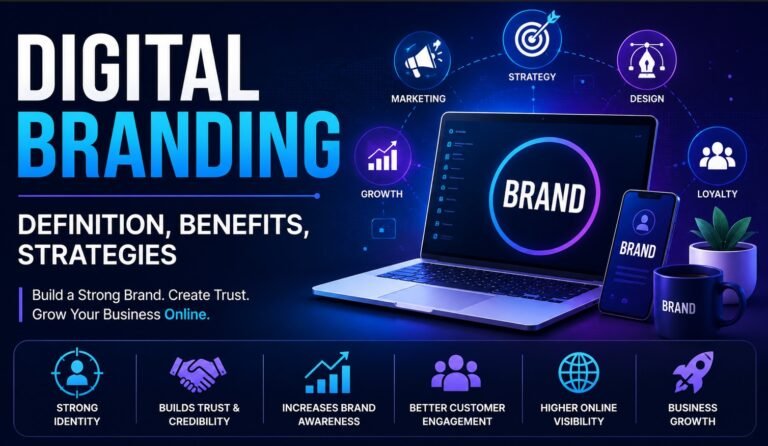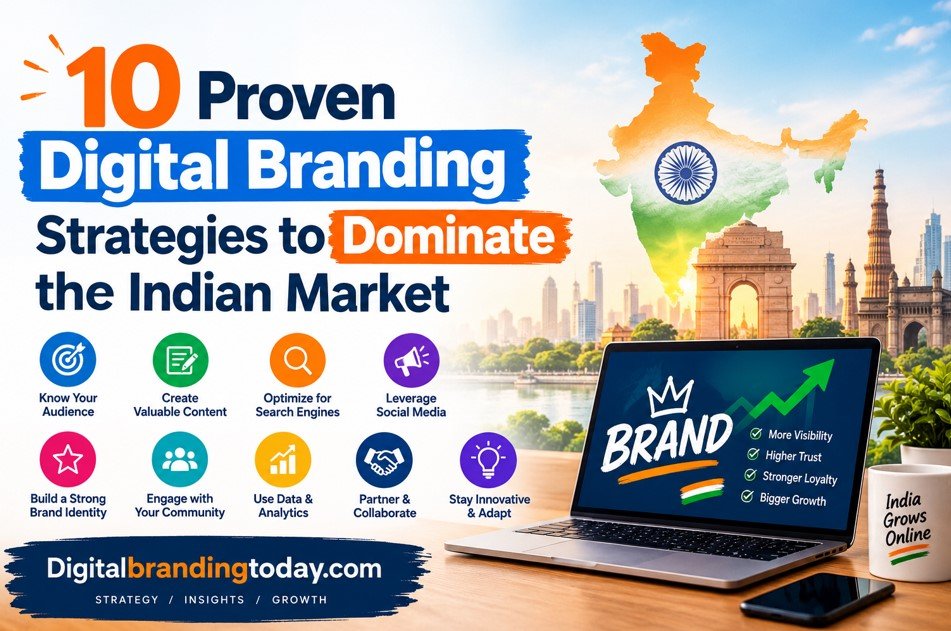
Are you struggling to make your business stand out in today’s crowded online space? Having a great product is no longer enough. To win over modern consumers, you need strong digital branding strategies.
India has over 800 million internet users. From bustling metros to rapidly growing Tier 2 and Tier 3 cities, your target audience is spending hours online every day. But they aren’t just looking for things to buy; they are looking for brands they can trust, relate to, and support.
Digital branding is how you build that trust. It is the process of shaping how people perceive your company across the internet. In this comprehensive guide, we will explore actionable, high-impact strategies to elevate your online presence, connect with your audience, and drive long-term loyalty.
What Are Digital Branding Strategies?
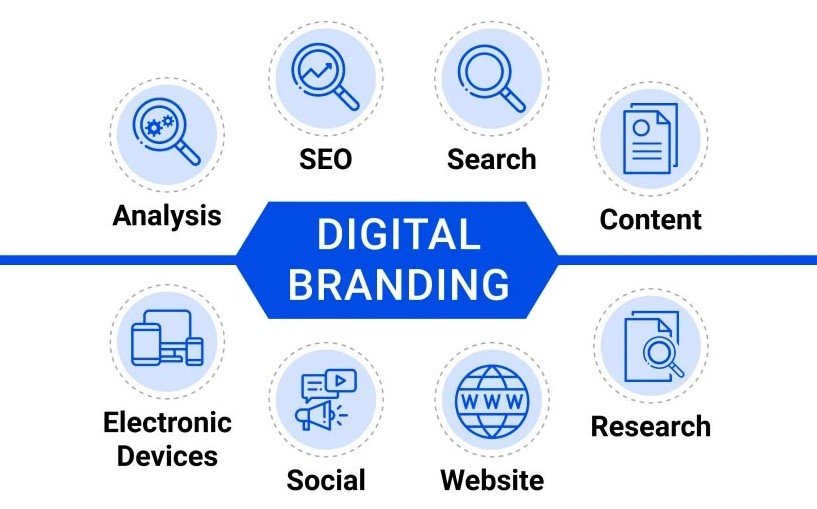
Digital branding strategies are comprehensive plans designed to build and manage your brand’s identity online. Unlike traditional branding, which relies on billboards, TV ads, and print, digital branding focuses on the internet.
It involves creating a consistent, engaging, and trustworthy image across multiple digital platforms. This includes your website, search engine results, social media profiles, email newsletters, and online reviews.
While digital marketing focuses on pushing a specific product to generate quick sales, digital branding focuses on pulling people toward your company by highlighting your values, personality, and mission. It is about creating a lasting connection. When executed correctly, these strategies turn casual website visitors into lifelong brand advocates.
Why Digital Branding is Crucial for Indian Businesses

The Indian digital landscape is unique and highly competitive. With affordable data rates and widespread smartphone adoption, the market dynamics have shifted drastically. Here is why you cannot afford to ignore digital branding:
- Trust Before Purchase: Indian consumers are value-conscious and cautious. A strong digital brand provides the social proof and credibility they need before opening their wallets.
- The Rise of D2C: Direct-to-Consumer (D2C) brands are booming in India. Without retail middlemen, your online brand identity is your only storefront.
- Search Engine Visibility: People use Google to research companies. If your brand does not have a positive, visible presence on search engines, competitors will steal your traffic.
- Customer Retention: A memorable brand creates emotional connections. Customers are willing to pay a premium for brands they feel aligned with, reducing price sensitivity.
Core Pillars of a Winning Digital Brand
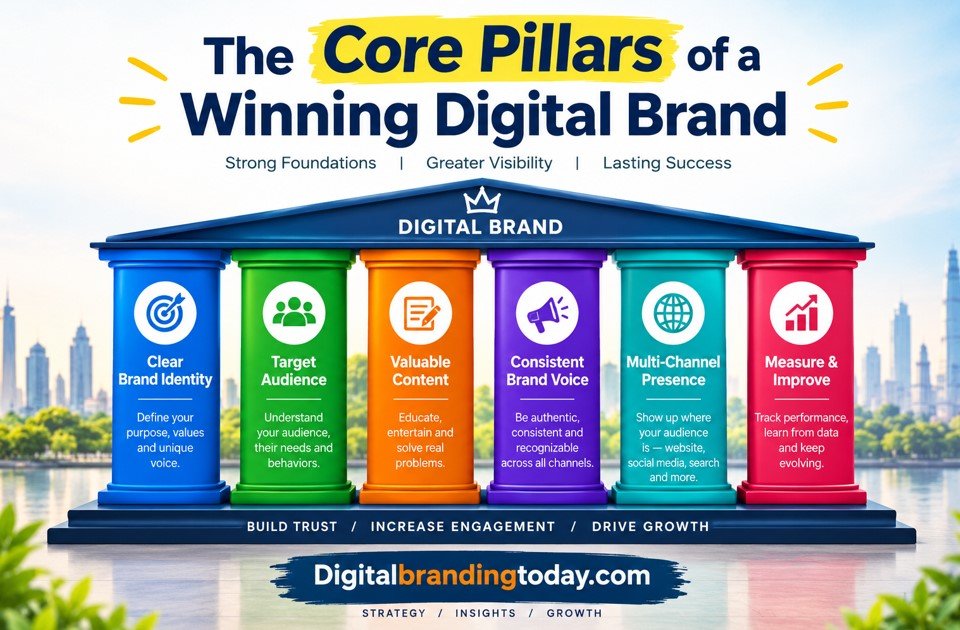
Before launching ad campaigns or creating social media accounts, you must build a solid foundation. Every successful digital brand rests on these three pillars:
1. Defining Your Brand Persona and Voice
Your brand persona is the “human” element of your business. If your brand were a person, how would they speak? Would they be professional and authoritative, or casual and humorous?
- Action Step: Create a brand guideline document. Define your core values, mission statement, and tone of voice. Ensure this voice remains consistent whether you are replying to a customer on Twitter or writing a detailed blog post.
2. Designing a Memorable Visual Identity
Humans process visuals 60,000 times faster than text. Your visual identity is often the first impression you make.
- Key Elements: This goes beyond just a logo. You need a consistent color palette, typography (fonts), and image style.
- Brand Recall: When an Indian user scrolls through a crowded Instagram feed, they should recognize your post instantly just by the colors and design style, even before reading your username.
3. Building a Seamless User Experience (UX)
Your website is your digital headquarters. If it is slow, confusing, or not mobile-friendly, your brand image will suffer immediately.
- Mobile-First Approach: Over 80% of internet traffic in India comes from mobile devices. Your website must load in under three seconds and offer intuitive navigation on small screens. A poor user experience permanently damages brand trust.
Top Digital Branding Strategies to Dominate the Market
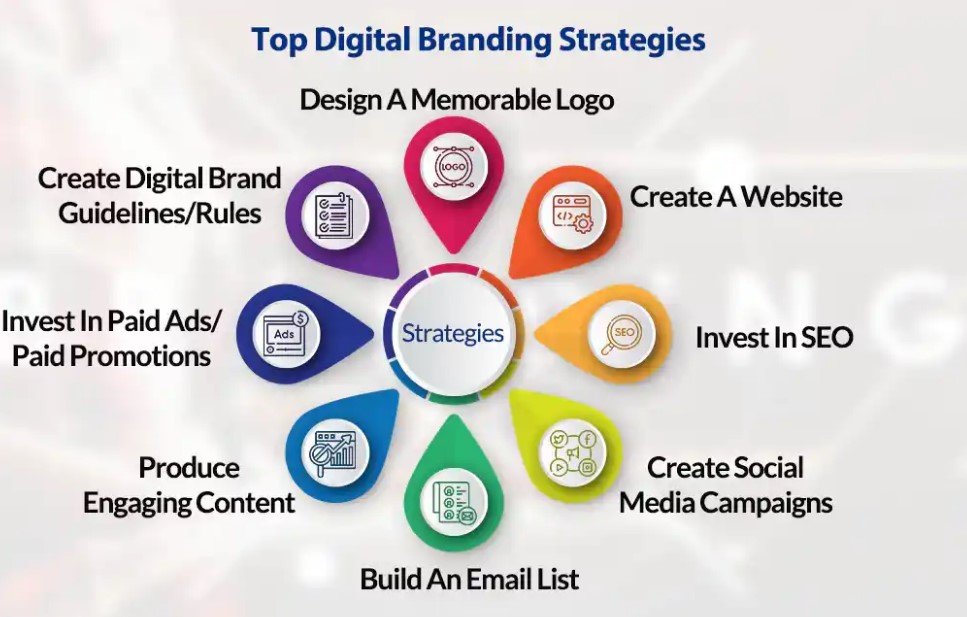
To build a brand that resonates with today’s digital-first consumers, you need actionable tactics. Here are the most effective digital branding strategies to implement.
1. Leverage Localized and Vernacular Content
India is not a monolith. With 22 official languages, speaking only in English limits your reach, especially in Tier 2 and Tier 3 cities.
- The Strategy: Translate and culturally adapt your brand message. Create content in Hindi, Tamil, Telugu, Marathi, and other regional languages.
- The Benefit: Consumers feel a deeper emotional connection to brands that speak their native language. It builds instant familiarity and trust.
2. Establish an Omnichannel Social Media Presence
Your audience does not stick to just one app. They watch videos on YouTube, network on LinkedIn, and share memes on Instagram.
- The Strategy: Do not copy-paste the same post everywhere. Tailor your content to the platform. Use LinkedIn for thought leadership and B2B connections. Use Instagram Reels for behind-the-scenes culture and product showcases. Use X (formerly Twitter) for rapid customer service.
- Consistency: Maintain your core visual identity and brand voice across all these platforms to ensure a cohesive digital footprint.
3. Harness the Power of Micro-Influencers
Celebrity endorsements are expensive and often lack authenticity. Today, consumers trust niche experts.
- The Strategy: Partner with micro-influencers (creators with 10k to 100k followers) in your specific industry.
- The Benefit: Micro-influencers have highly engaged, loyal communities. A genuine review from a trusted creator in your niche acts as powerful word-of-mouth marketing, boosting your brand equity.
4. Invest in High-Quality Content Marketing
Content is the backbone of digital branding. It proves your expertise and helps you rank on search engines.
- The Strategy: Stop just selling; start educating. Write comprehensive blog posts, publish original research, and create ultimate guides that solve your target audience’s problems.
- EEAT Optimization: Google rewards content that demonstrates Experience, Expertise, Authoritativeness, and Trustworthiness (EEAT). Having recognized authors, citing credible sources, and providing uniquely helpful insights will position your brand as an industry leader.
5. Adopt Purpose-Driven Marketing
Modern consumers, especially Gen Z and Millennials, care about what a company stands for. They prefer to buy from brands that align with their social and environmental values.
- The Strategy: Champion a cause. Whether it is sustainability, fair trade, local sourcing, or mental health awareness, make your core values clear.
- Authenticity is Key: Do not fake it. Indian consumers can easily spot “greenwashing” or performative activism. Ensure your business practices actually reflect the values you promote online.
6. Maximize Short-Form Video Content
Attention spans are shrinking. Short-form video is currently the most consumed content format in India.
- The Strategy: Create highly engaging, fast-paced videos for YouTube Shorts and Instagram Reels.
- Content Ideas: Share quick tips, answer common customer questions, show how your product is made, or feature customer testimonials. Keep it authentic and less polished; users prefer relatable content over overly produced commercials.
7. Prioritize Online Reputation Management (ORM)
Your brand is what people say about you when you are not in the room. In the digital world, that means online reviews.
- The Strategy: Actively monitor Google My Business, Trustpilot, Quora, and social media mentions.
- Engagement: Respond to all reviews—both positive and negative. Handling a negative review with grace, empathy, and a quick solution often impresses potential customers more than a 5-star rating.
Digital Branding vs. Digital Marketing
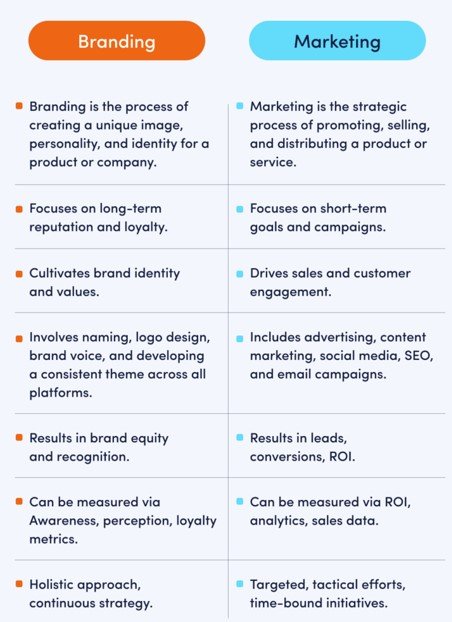
Many business owners confuse these two concepts. While they work together, they serve entirely different purposes. Here is a clear comparison to help you understand their distinct roles:
| Feature | Digital Branding | Digital Marketing |
| Primary Goal | Build identity, trust, and loyalty. | Drive sales, leads, and immediate action. |
| Timeframe | Long-term (Months to Years). | Short-term (Days to Weeks). |
| Focus | Values, mission, personality, and emotions. | Pricing, features, offers, and urgency. |
| Key Metrics | Brand awareness, sentiment, and recall. | Click-through rates (CTR), ROI, and conversions. |
| Customer Journey | Awareness and Retention stages. | Consideration and Decision stages. |
| Example | Publishing an inspiring video about your company’s mission. | Running a Facebook Ad for a 20% weekend discount. |
Branding sets the stage, while marketing closes the deal.
Pros and Cons of Digital Branding Strategies
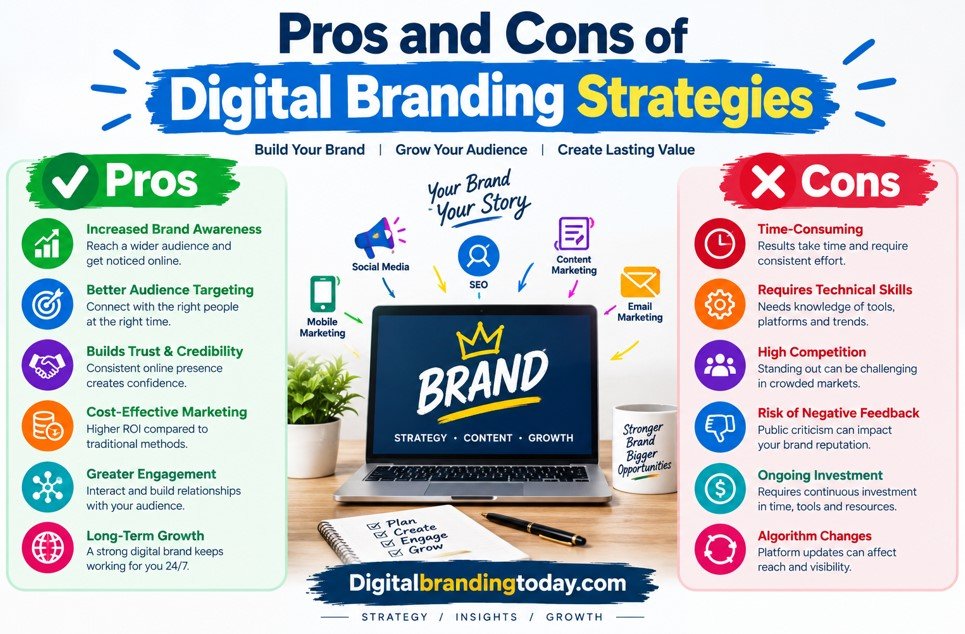
Like any business initiative, investing in your digital brand comes with distinct advantages and a few challenges.
Pros
- Premium Pricing: Strong brands can charge more. Customers pay for the trust and experience, not just the product.
- Customer Loyalty: A well-branded company creates brand advocates who return frequently and refer others.
- Cheaper Marketing Over Time: As your brand awareness grows organically, you will need to spend less on paid advertising to acquire new customers.
- Competitive Edge: Products can be copied easily; a unique brand identity and emotional connection cannot.
Cons
- Time-Consuming: Building trust takes time. You will not see overnight ROI from branding efforts.
- Requires Consistency: A single misstep (like an insensitive tweet or poor customer service response) can quickly damage years of brand building.
- Harder to Measure: Unlike direct-response ads, the direct financial return on a new logo or an educational blog post is difficult to quantify precisely.
How to Measure the Success of Your Brand
While harder to track than direct sales, you can measure the impact of your digital branding strategies using specific Key Performance Indicators (KPIs):
- Search Volume for Brand Name: Use Google Search Console to see how many people are typing your exact company name into Google. An increase means your brand awareness is growing.
- Social Media Engagement: Do not just look at follower counts. Track likes, comments, shares, and saves. High engagement indicates that your content resonates with your audience.
- Website Direct Traffic: Use Google Analytics to monitor how many users visit your site directly (by typing your URL into their browser). This shows they already know and remember your brand.
- Brand Sentiment Analysis: Use social listening tools (like Mention or Hootsuite) to track whether online conversations about your brand are positive, negative, or neutral.
- Customer Lifetime Value (CLV): A successful branding strategy increases customer retention, which directly boosts how much a single customer spends with you over their lifetime.
Frequently Asked Questions (FAQs)
1. What are digital branding strategies?
Digital branding strategies are methods used to build a company’s identity, visibility, and reputation on the internet. This includes website design, social media presence, content marketing, and online customer interactions.
2. How is digital branding different from traditional branding?
Traditional branding relies on physical mediums like print ads, billboards, and television. Digital branding uses the internet, allowing for two-way communication with consumers, real-time data tracking, and global reach at a lower cost.
3. Why is brand voice important in digital marketing?
Your brand voice humanizes your business. It helps you connect with your audience on an emotional level, makes your content recognizable, and builds trust through consistency across all digital platforms.
4. Can small businesses benefit from digital branding?
Absolutely. Digital branding levels the playing field. Small businesses can use cost-effective strategies like SEO, social media, and community building to compete against much larger corporations.
5. How long does it take to see results from digital branding?
Digital branding is a long-term game. While you might see engagement spikes from specific posts, building solid brand equity, trust, and organic search authority generally takes 6 to 12 months of consistent effort.
6. What role does SEO play in brand building?
Search Engine Optimization (SEO) ensures your brand appears when potential customers look for solutions in your industry. Ranking high on Google builds immense credibility and authority for your brand.
7. How do I handle negative reviews online?
Address them promptly and professionally. Apologize for the poor experience, offer to take the conversation offline to resolve the issue, and never argue. This shows future customers that you care about their satisfaction.
8. Are influencers necessary for digital branding in India?
While not mandatory, they are highly effective. Indian consumers heavily rely on reviews and recommendations. Partnering with credible micro-influencers can rapidly build trust in niche markets.
9. What is brand consistency, and why does it matter?
Brand consistency means keeping your visual elements (colors, logos) and messaging the same across all channels. It matters because repetition builds recognition. Inconsistent branding confuses customers and erodes trust.
10. Do I need to be on every social media platform?
No. It is better to have a strong, active presence on two or three platforms where your target audience actually spends time, rather than spreading your resources too thin across every available app.
Conclusion
In a crowded online marketplace, your brand is your most valuable asset. Effective digital branding strategies do much more than make your business look good; they create emotional connections, establish unbreakable trust, and turn casual browsers into loyal advocates.
From defining a unique brand voice and optimizing your website UX, to leveraging localized Indian content and partnering with micro-influencers, every step you take builds your digital footprint. Remember, building a brand is not a one-time project. It requires patience, consistency, and a deep understanding of your audience’s needs.